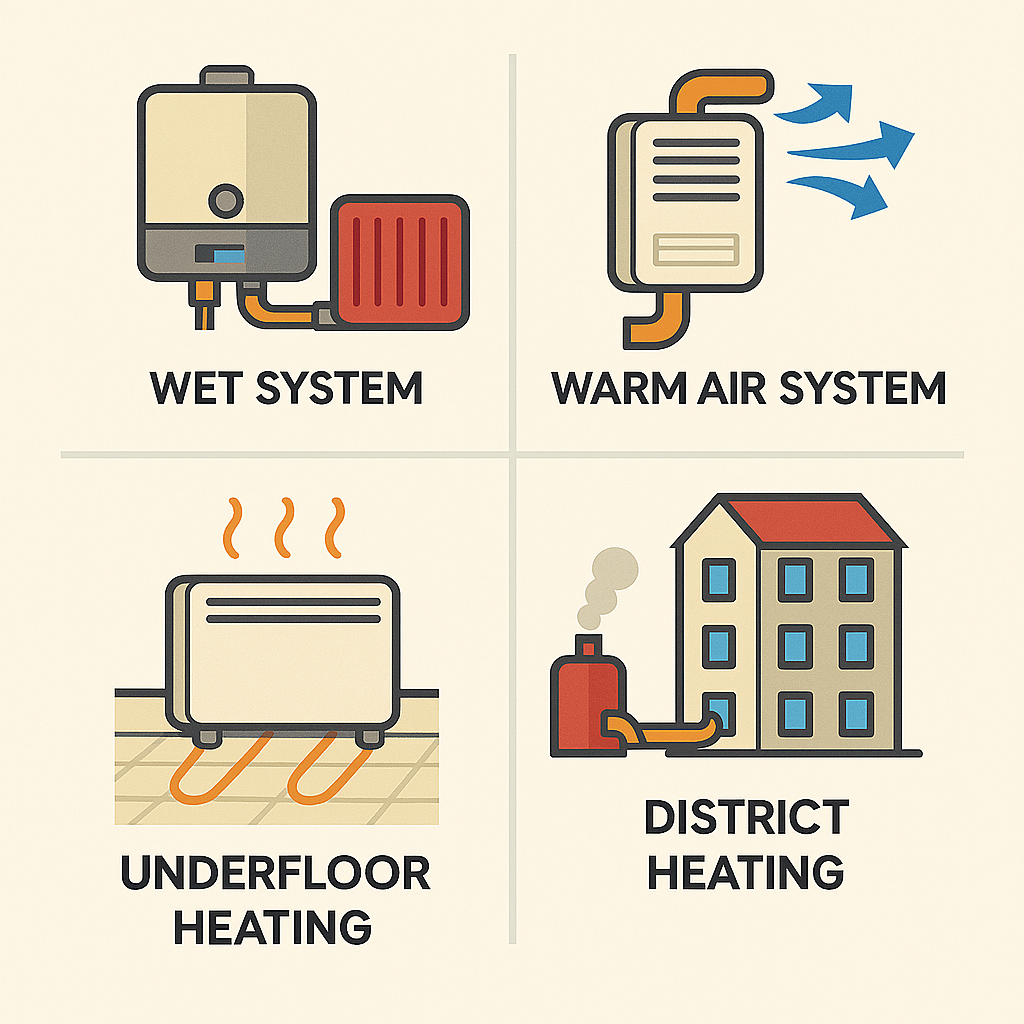
Introduction to Central Heating Systems
What Is a Wet Central Heating System?
A Wet central heating system is the most common type of heating used in homes across the UK. It uses water as the heat-transfer medium, circulating it through a network of pipes to radiators, towel rails, or underfloor heating circuits throughout the property.
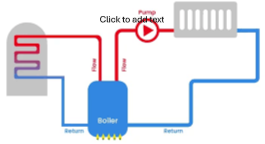
At the centre of the system is a
boiler or heat source (such as a gas boiler, oil boiler, Air source heat pump, or biomass boiler). This appliance heats the water and pumps it around the system. As the warm water travels through radiators or heating loops, it releases heat into each room, keeping the property warm and comfortable. Once the water cools, it returns to the boiler to be reheated and recirculated.
Key Features
- Water-based heat distribution
Heat is carried efficiently through water, which is excellent for transferring energy.
- Boiler or heat source
Supplies hot water for both heating and sometimes domestic hot water, depending on system type.
-
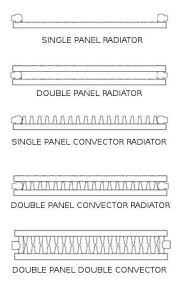
Pipework & radiators
Water is pumped around a closed loop to radiators or underfloor heating circuits.
- Controlled heating
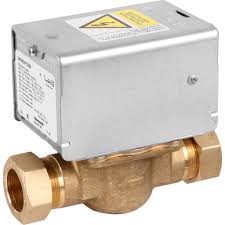
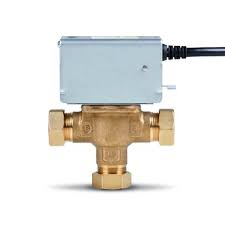
Thermostats, timers, valves, and zoning controls help manage temperature and energy use.
---
Why Wet Systems Are Popular
- Provide steady, comfortable, even heating
- Work with many energy sources (gas, oil, LPG, Air Source heat pumps, biomass)
- Suitable for zoning, smart controls, and modern efficiency improvements
- Work well with underfloor heating
- Provide heat storage and stable temperature due to thermal mass of water
---
Simple Summary
A wet central heating system heats water, circulates it around the home through pipes and radiators, and returns it to the boiler to be reheated. It is reliable, efficient, and remains the most widely used heating system in UK households. [Select the boxes below to learn about different system types and design considerations.]